
GMC Yukon XL 2000–2006
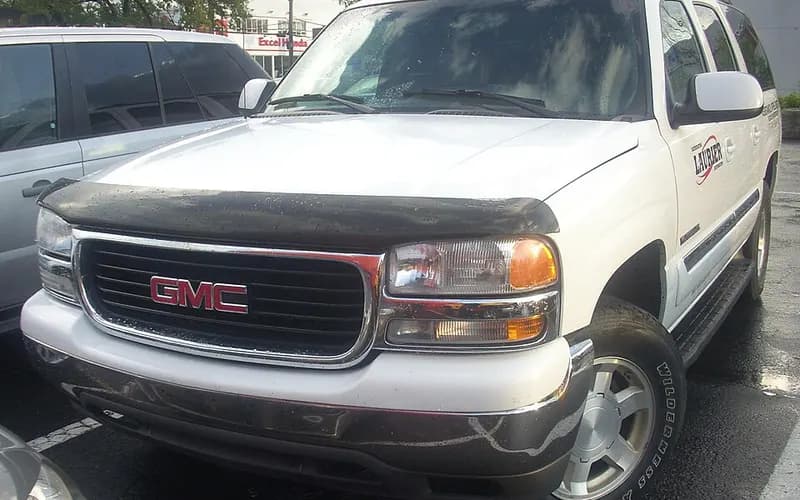
Common on this vehicle:Warning lightLeakVibration or shudderNoiseGauge or instrument faultMisfire or rough idleCorrosion or rustAir conditioning or heater
Record by record
7 records state a cause or a remedy. Each record is shown as short labels in the order fault → finding the cause → correction. Press a label to narrow to the records that state it.
Read the records one by one (4)
POWER TRAIN3
Manufacturer communication2002–2006 GMC YUKON XL 2500 ・ 2008-08-12
Diagnostic Information: SES/MIL, DTC P0757 Shift Issues
1Fault
2Finding the cause
Not stated
3Correction
Read the sentences of the record
- Remedy
- DIAGNOSTIC INFORMATION ON MN8, MT1 SES/MIL ILLUMINATED, DTC P0757, HARSH SHIFT, DELAYED 2-3 SHIFT, 2-3 SHIFT FLARE, NO THIRD GEAR, SLIPS IN THIRD GEAR OR REVERSE. *PE
Manufacturer communication2006 GMC YUKON XL 2500 ・ 2008-08-08
MH1, MN8, MT1, M15 Transmission Slip/Shift/Overheat Diagnostic
1Fault
2Finding the cause
Not stated
3Correction
Read the sentences of the record
- Remedy
- DIAGNOSTIC INFORMATION ON MH1, MN8, MT1, M15 TRANSMISSION SLIPS, WILL NOT SHIFT OR MAY OVERHEAT, SES/MIL MAY BE ILLUMINATED, DTCS P0218, P0894 SET. *PE UPDATED 8/12/08. *PE
Manufacturer communication2006 GMC YUKON XL ・ 2007-09-26
Transmission Slip or Shift Failure with SES Light
1Fault
2Finding the cause
Not stated
3Correction
TRANSMISSION SLIPS, WILL NOT SHIFT, SES LIGHT MAY BE ILLUMINATED. *KB
Read the sentences of the record
- Remedy
- TRANSMISSION SLIPS, WILL NOT SHIFT, SES LIGHT MAY BE ILLUMINATED. *KB
TIRES1
Manufacturer communication2006 GMC YUKON XL ・ 2018-06-11(3 earlier editions of this document folded here)
Tire slipping on rim and vibration reduction
1Fault
- Vibration shortly after tires are mounted may come from the tires slipping on the wheels, which moves the imbalance point of the tire away from the weight location.
2Finding the cause
Possible causes
- Wheel slip occurs when the tire slips and rotates on the wheel during acceleration or braking.
- It is usually caused by an excessive amount of lubricant or lubricant applied in the wrong locations.
Steps to confirm (in the document’s order)
- Check for wheel slip by placing a temporary mark on the tire at the valve stem.
- If the slip after driving is greater than one inch and a ride disturbance was felt on the test drive, wheel slip may be causing the vibration.
3Correction
Repair
- Clean any leftover demounting lubricant from the bead seat areas of the wheel.
- On the wheel, lubricate the safety humps, leave the rim flanges dry, and lubricate the drop center only for difficult to mount tires.
- Inflate the tires to 275 kPa (40 psi) when mounting, then reduce to the operating pressure.
Caution
- This test is only effective if the vehicle was serviced within the last couple of hours.
- Do not use products containing silicone, alcohol, petroleum based products, solvents or corrosives for cleaning or lubrication.
- Do not drive the vehicle aggressively (hard acceleration or braking) for up to 24 hours after tire mounting, so that the lubricant can dry.
Read the sentences of the record
From the manufacturer’s document
- Applies to:Applies to 2015 and prior GM passenger cars and trucks.
- Condition:Vibration shortly after tires are mounted may come from the tires slipping on the wheels, which moves the imbalance point of the tire away from the weight location.
- Cause:Wheel slip occurs when the tire slips and rotates on the wheel during acceleration or braking.
- Cause:It is usually caused by an excessive amount of lubricant or lubricant applied in the wrong locations.
- Confirm:Check for wheel slip by placing a temporary mark on the tire at the valve stem.
- Confirm:If the slip after driving is greater than one inch and a ride disturbance was felt on the test drive, wheel slip may be causing the vibration.
- Caution:This test is only effective if the vehicle was serviced within the last couple of hours.
- Repair:Clean any leftover demounting lubricant from the bead seat areas of the wheel.
- Caution:Do not use products containing silicone, alcohol, petroleum based products, solvents or corrosives for cleaning or lubrication.
- Repair:On the wheel, lubricate the safety humps, leave the rim flanges dry, and lubricate the drop center only for difficult to mount tires.
- Repair:Inflate the tires to 275 kPa (40 psi) when mounting, then reduce to the operating pressure.
- Caution:Do not drive the vehicle aggressively (hard acceleration or braking) for up to 24 hours after tire mounting, so that the lubricant can dry.
Open the manufacturer’s document (PDF) ↗ The points above were read from this document.
- Remedy
- This informational bulletin provides technicians with ways to decrease the tire slipping on the rim and reduce to possible chances of the customers concerns over tire vibration are repair.
Showing 4 of the 7 you can open. Narrow the search to see the rest.