
Skip to content
FaultCrate

This is an open preview: every record can be read without an account.

GMC Yukon XL 2000–2006
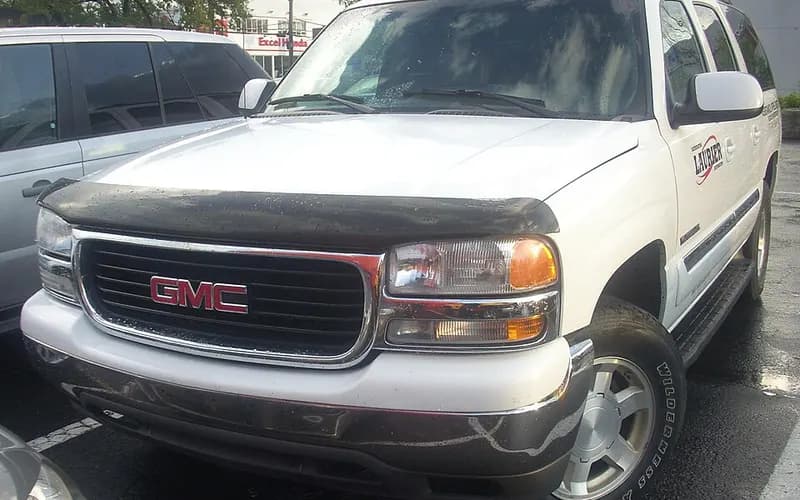
GMC Yukon XLModel years 2000–2006

Change vehicle →
Clear the search
1 conditions added

The vehicle (where a record says)

A record is under an engine, a drive or a series only where it says so: the characters of the vehicle identification number filed with a complaint, its text, or what its document says it applies to. A record that does not say is kept as "not stated". The filed numbers and the documents do not tell 4WD from AWD.

Common on this vehicle:Liftgate, rear glass or door lockLeakNoiseCorrosion or rustSeat or seat heaterVibration or shudderPower windowAir conditioning or heater

The fault (what is reported)

Owner complaint
85
Recall
3
Manufacturer communication
67
Declared in complaints
Crash 8 / fire 2 / injury 8

Symptom × model year (records)

2000200120022003200420052006
Liftgate, rear glass or door lock41129742
Noise4753586
Corrosion or rust2343643
Leak124266
Vibration or shudder1112166
Seat or seat heater22322
Power window521
Lights (headlights, turn signals)1111111

System × model year (records)

2000200120022003200420052006
Body, doors and interior34463047444435
Suspension, wheels and tires2342432
Electrical, wiring and power232444
Instruments and lighting1111112
Brakes1231
Engine22
Transmission and driveline111
Steering3

Warning display

No record states one in its text.

    Trouble code

    The shade and the number of a cell are the records of that model year that mention it: not a failure rate, and they carry differences in how many vehicles were sold and how records were gathered. A cell leads to the possible causes under its two conditions. A record that names several model years counts under each.

    Records per year (date of the record)

    20002026

    2022 onward (the period the tables on the right cover)Up to 2021

    Newest record 2024-05-16 ・ 2 since 2022

    1 without a received date

    Dates are the source's own (complaint received, communication added, and so on). Counts are numbers of reports or communications, not a measure of how often a failure happens.