
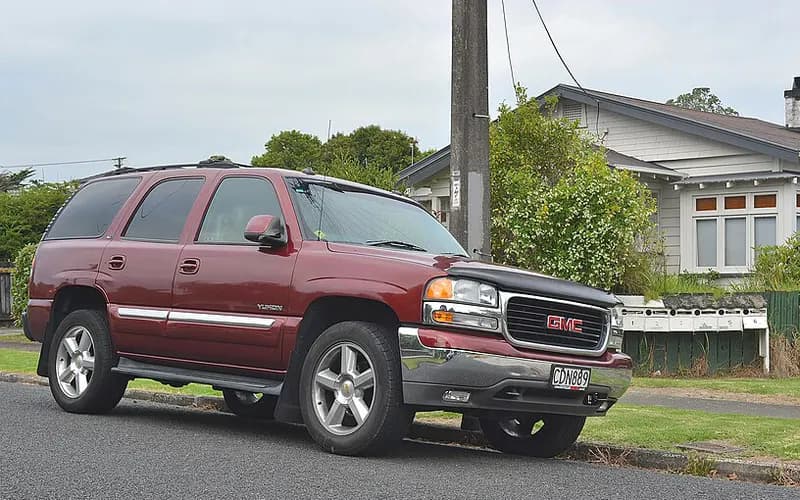
GMC Yukon 2000–2006
Common on this vehicle:Warning lightNoiseLeakGauge or instrument faultMisfire or rough idleVibration or shudderCorrosion or rustAir conditioning or heater
The fault (what is reported)
- Owner complaint
- 9
- Recall
- 1
- Manufacturer communication
- 97
- Declared in complaints
- Crash 1 / fire 0 / injury 1
Symptom × model year (records)
System × model year (records)
Warning display
- Check engine / Service Engine Soon35
- Reduced Engine Power6
- Air bag light5
- Service Ride Control / suspension message4
- ABS light3
4 more (choose from the pull-down above)
The shade and the number of a cell are the records of that model year that mention it: not a failure rate, and they carry differences in how many vehicles were sold and how records were gathered. A cell leads to the possible causes under its two conditions. A record that names several model years counts under each.
Records per year (date of the record)
20042026
2022 onward (the period the tables on the right cover)Up to 2021
Newest record 2024-07-16 ・ 17 since 2022
1 without a received date
Dates are the source's own (complaint received, communication added, and so on). Counts are numbers of reports or communications, not a measure of how often a failure happens.