
GMC Yukon 2000–2006
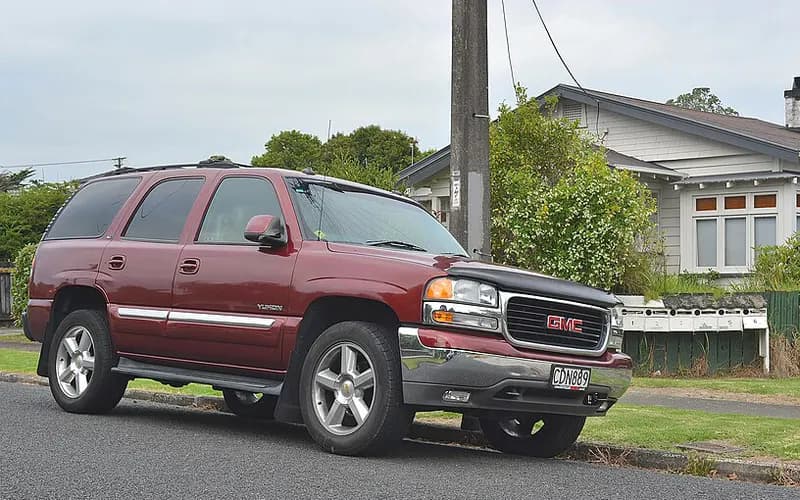
Common on this vehicle:Warning lightCorrosion or rustGauge or instrument faultLeakNoise
Possible causes
The documents say what to doOnly records name itThe size of a node, the width of a link and the numbers are records matching this search, not likelihoods.
FaultCrate・GMC Yukon 2000–2006・Tire pressure warning, Suspension, wheels and tires
Candidate cause (the documents say what to do)
Aluminum Wheel Bead Seat: corroded
2 of the records matching this search name this component as the cause.
How to tell
Tire pressure warning
What to do
- The corrosion may be on the inboard or outboard bead seating surface and is not visible until the tire is dismounted from the wheel.
- After a water dunk tank leak test, if the source of the leak is around the bead seat of the wheel, dismount the tire to examine the bead seat.
- Bead seat corrosion looks like blistering of the wheel finish, giving a rough or uneven surface on which the tire has difficulty keeping a proper seal.
- For vehicles with 32,186 km (20,000 mi) or less, the total combined linear area of repairable corrosion is 100 mm (4 in) or less; beyond that the wheel should be replaced.
- For vehicles that have exceeded 32,186 km (20,000 mi), the total combined linear area of repairable corrosion is 200 mm (8 in) or less.
- Use a clean-up (fine cut) sanding disc or biscuit to remove the corrosion and any flaking paint, back to material that is stable and firmly bonded to the wheel.
What is needed
- Parts and materials
- Patch Bead Sealer 16118 (1 Quart (= 0.946 L))(the document covers model year 2005 onward)
- Labor time
- 8080068: Wheel, Bead Seat Repair (One) 0.6 hr(the document covers model year 2005 onward)
- Special tools
- Not stated
- Scan tool
- Not stated
Only what the technical documents state. "Not stated" does not mean not needed.
In the records
- Aluminum Wheel Bead Seat: cleaned 2
See the evidence (1 technical documents, 2 records)
Manufacturer’s documents
- Aluminum wheel bead seat cleaning and resurfacing procedure 08-03-10-006G 2019-12-16
A cause or a result a complaint states is the owner’s view or what a dealer told them, not an established fact.
Put together by FaultCrate from public records and technical documents. The cause and the repair are for the workshop to decide with the vehicle in front of it. Counts are records, not failure rates.