
GMC Yukon 2000–2006
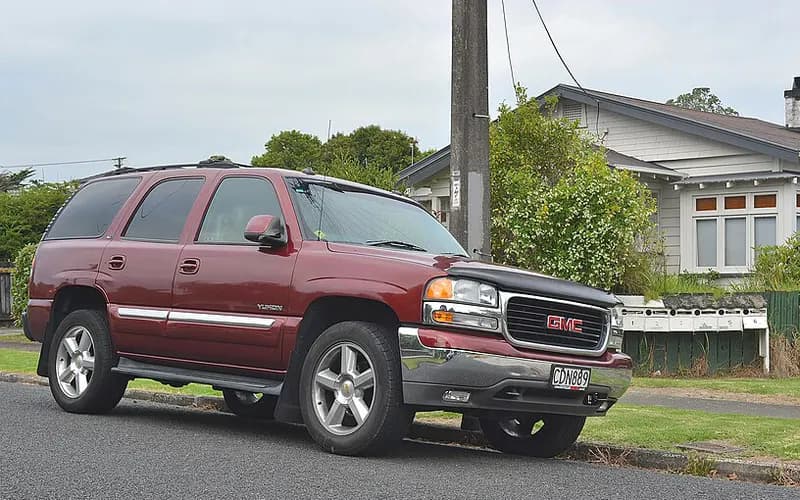
Common on this vehicle:
issueRecords under no cardRemovecauseCatalytic ConverterRemove
Record by record
2 records state a cause or a remedy. Each record is shown as short labels in the order fault → finding the cause → correction. Press a label to narrow to the records that state it.
Component named as the cause
A ribbon is as wide as the records that state both of its ends (only the commonest are drawn). A record that names several symptoms or components runs through each. Orange is records that say the fault came back or was not fixed. Results come from owners’ reports only; one that does not say is “result not stated”. None of this is a likelihood of a cause or a rate at which work succeeds.
Read the records one by one (2)
ENGINE AND ENGINE COOLING2
Manufacturer communication2004–2006 GMC YUKON DENALI ・ 2018-06-04
Catalytic Converter Inspection, Cleaning or Replacement Notice
1Fault
Not stated
2Finding the cause
Possible causes
- When an engine breaks down (such as a broken intake/exhaust valve or piston), debris may be deposited in the converter through the engine exhaust ports.
- After a severe overheat, the ceramic brick inside the converter may be damaged, and ceramic debris may be drawn into the engine through the cylinder head exhaust ports.
Steps to confirm (in the document’s order)
- When replacing an engine for a breakdown, inspect the catalytic converters and all transferred components (such as exhaust/intake manifolds) and remove any debris found.
3Correction
Repair
- After an engine failure from severe overheat, also inspect each catalytic converter for melting or cracking of the ceramic brick; if damage is observed, replace the converter.
Caution
- A replacement engine installed in either case may fail from the debris entering the combustion chambers when it is started.
Read the sentences of the record
From the manufacturer’s document
- Applies to:Applies to 2019 and prior GM passenger cars and trucks with close-coupled catalytic converters.
- Cause:When an engine breaks down (such as a broken intake/exhaust valve or piston), debris may be deposited in the converter through the engine exhaust ports.
- Cause:After a severe overheat, the ceramic brick inside the converter may be damaged, and ceramic debris may be drawn into the engine through the cylinder head exhaust ports.
- Caution:A replacement engine installed in either case may fail from the debris entering the combustion chambers when it is started.
- Confirm:When replacing an engine for a breakdown, inspect the catalytic converters and all transferred components (such as exhaust/intake manifolds) and remove any debris found.
- Repair:After an engine failure from severe overheat, also inspect each catalytic converter for melting or cracking of the ceramic brick; if damage is observed, replace the converter.
Open the manufacturer’s document (PDF) ↗ The points above were read from this document.
- Remedy
- This informational bulletin explains how the catalytic converters may need an inspection, cleaning or replacement if debris have entered the exhaust system.
Owner complaint2001 GMC YUKON DENALI ・ 2008-04-01
ABS fails at slow speeds and catalytic converter failure
1Fault
Not stated
2Finding the cause
3Correction
Not stated
1 owner complaints have no classified sentences yet, so their causes and repairs are not picked out. Their text is in the list of records.