GMC Yukon 2000–2006
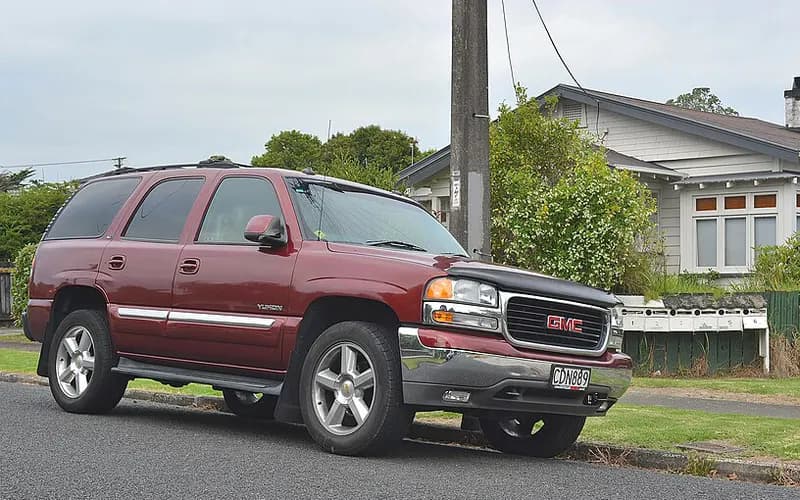
Common on this vehicle:Warning lightLoss of engine power, no accelerationStalls or shuts offMisfire or rough idleFuel smellLeakSmoke or fire
Record by record
4 records state a cause or a remedy. Each record is shown as short labels in the order fault → finding the cause → correction. Press a label to narrow to the records that state it.
Read the records one by one (2)
EQUIPMENT1
Manufacturer communication2000–2006 GMC YUKON DENALI ・ 2021-04-19(1 earlier editions of this document folded here)
Winter Fuel Grade Use in Warm Months 2020 – Drivability Issues
1Fault
- In rare instances customers may complain of a fuel smell, longer starts, hesitation and, in extreme cases, engine stalls.
- Any combination of DTCs P0300, P0171, P0174 and P228C may be set.
2Finding the cause
Possible causes
- Using winter fuel in summer weather may cause drivability concerns.
Steps to confirm (in the document’s order)
- The concern should not be a single event but multiple occurrences associated with hot days.
3Correction
Caution
- No repair is required; the vehicles are not damaged and will recover.
- There is no other remedy until summer fuel and/or cooler weather is available.
Read the sentences of the record
From the manufacturer’s document
- Applies to:Applies to all brands and models with gasoline engines, model years 2000 - 2022.
- Applies to:The involved region is North America.
- Condition:In rare instances customers may complain of a fuel smell, longer starts, hesitation and, in extreme cases, engine stalls.
- Condition:Any combination of DTCs P0300, P0171, P0174 and P228C may be set.
- Cause:Using winter fuel in summer weather may cause drivability concerns.
- Confirm:The concern should not be a single event but multiple occurrences associated with hot days.
- Caution:No repair is required; the vehicles are not damaged and will recover.
- Caution:There is no other remedy until summer fuel and/or cooler weather is available.
Open the manufacturer’s document (PDF) ↗ The points above were read from this document.
- Remedy
- This Preliminary information communicates the use of Winter grade fuel during the warm months of 2020 and the potential rivability issues that it can cause. The ongoing Coronavirus (COVID-19) pandemic has caused significant reductions in driving and fuel use. Due to the surplus of winter grade fuel sitting in storage (pipelines/stations) the EPA is waiving the fuel vapor requirement. This will extend the use of winter fuel into the summer months. The drivability concerns should not be single events but should be multiple occurrences associated with hot days.
FUEL SYSTEM, GASOLINE1
Manufacturer communication2000–2006 GMC YUKON DENALI ・ 2018-05-21(1 earlier editions of this document folded here)
E85 Fuel Effects on Non-E85 Vehicles Information
1Fault
- Misfire or rough idle
- Loss of engine power, no acceleration
- Stalls or shuts off
- Warning light
- ABS light
- P0171
- P0174
- P0300
- Using this fuel in a non-compatible vehicle may cause lean driveability concerns such as hesitation, sag and/or possible stalling.
- Fuel trim DTC P0171 and/or P0174 may set.
- Misfire DTC P0300 may set.
- A Traction Control, Stability System or ABS lamp may illuminate, or a message may display in the DIC (if equipped).
- Harsh and/or firm transmission shifts may occur because the transmission defaults to maximum line pressure.
2Finding the cause
Steps to confirm (in the document’s order)
- Alcohol content is checked using Special Tool J-44175-A Fuel Composition Tester or CH-44175-A Fuel Composition Tester.
- General Motors started putting yellow gas caps on E85 Flex Fuel Vehicles (FFVs) as of Model Year 2006.
3Correction
Repair
- If the ethanol content exceeds the Owner Manual maximum of 10% or 15%, drain the fuel and refill the vehicle with gasoline, preferably a Top Tier brand.
Caution
- All Model Year 2011 and older non-FFV gasoline vehicles are designed to run on fuel containing no more than 10% ethanol.
- Diesel engines are not E85 compatible.
Read the sentences of the record
From the manufacturer’s document
- Applies to:The list of compatible flexible-fuel vehicles includes 2002–2005 fullsize pickups and utilities with 5.3L, RPO L59.
- Applies to:The list of compatible flexible-fuel vehicles includes 2006 Sierra, Yukon and Yukon XL with 5.3L, RPO L59.
- Caution:All Model Year 2011 and older non-FFV gasoline vehicles are designed to run on fuel containing no more than 10% ethanol.
- Caution:Diesel engines are not E85 compatible.
- Condition:Using this fuel in a non-compatible vehicle may cause lean driveability concerns such as hesitation, sag and/or possible stalling.
- Condition:Fuel trim DTC P0171 and/or P0174 may set.
- Condition:Misfire DTC P0300 may set.
- Condition:A Traction Control, Stability System or ABS lamp may illuminate, or a message may display in the DIC (if equipped).
- Condition:Harsh and/or firm transmission shifts may occur because the transmission defaults to maximum line pressure.
- Confirm:Alcohol content is checked using Special Tool J-44175-A Fuel Composition Tester or CH-44175-A Fuel Composition Tester.
- Repair:If the ethanol content exceeds the Owner Manual maximum of 10% or 15%, drain the fuel and refill the vehicle with gasoline, preferably a Top Tier brand.
- Confirm:General Motors started putting yellow gas caps on E85 Flex Fuel Vehicles (FFVs) as of Model Year 2006.
Open the manufacturer’s document (PDF) ↗ The points above were read from this document.
- Remedy
- This informational bulletin provides the technician with information on what E85 fuel may due to a non E85 vehicle.
Showing 2 of the 4 you can open. Narrow the search to see the rest.