EngineModel years 1999–2002ManufacturerTrade technical source
Rear bank knock sensor corrosion from water intrusion (P0332)
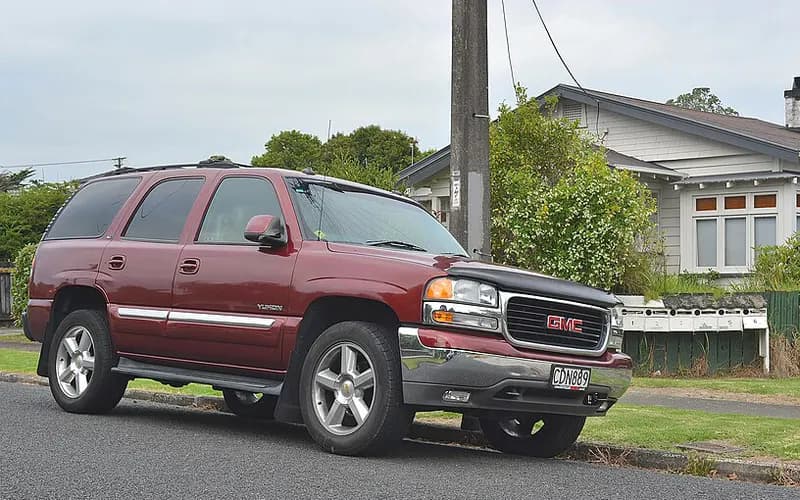
4.8L, 5.3L or 6.0L engine; 1999-2002 Chevrolet and GMC C/K pickup and utility models including Yukon, Yukon XL, Yukon Denali, Yukon Denali XL
FaultCrate・Rear bank knock sensor corrosion from water intrusion (P0332)
Customers may report mild to severe engine ping (spark knock), usually worse during acceleration, and/or an illuminated MIL.
The technician may find DTC P0332 set.
The condition may result from corrosion of the rear bank knock sensor caused by water intrusion into the sensor cavity.
It is more apparent on vehicles whose engine compartment is washed frequently.
How to tell
What to do
- If P0327 and P0332 set at the same time, inspect for poor connections at the two-wire knock sensor harness located at the left rear side of the intake manifold near the top, just under the cover.
- Check the resistance of the knock sensors including the harness before reinstalling the intake manifold.
- Replace the rear bank knock sensor and build an RTV dam around the sensor to divert water away from it.
Caution
- Do not form the RTV into a complete circle; leave the rear section open.
Applies to
- The bulletin covers 1999-2002 Chevrolet and GMC C/K pickup and utility models, including Yukon, Yukon XL, Yukon Denali and Yukon Denali XL, with the 4.8L, 5.3L or 6.0L engine.
See the evidence (2 documents, 9 passages)
| Document | Publisher | Date |
|---|---|---|
| [1]02-06-04-023: Audible Spark Knock (Detonation), MIL Illuminated, DTC P0332 Set (Replace Rear Bank Knock Sensor and RTV Area Around Sensor) ↗ | ManufacturerGeneral Motors (copy hosted by Corvette Action Center) | — |
| [2]Chevy Truck Knock Sensor Issues, DTCs P0327 & P0332 ↗ | Trade technical sourceALLDATA | — |
Applies toThe bulletin covers 1999-2002 Chevrolet and GMC C/K pickup and utility models, including Yukon, Yukon XL, Yukon Denali and Yukon Denali XL, with the 4.8L, 5.3L or 6.0L engine.
1999-2002 Chevrolet and GMC C/K Pickup and Utility Models (Avalanche, Silverado, Sierra, Tahoe, Suburban, Yukon, Yukon XL, Yukon Denali, Yukon Denali XL) with 4.8L, 5.3L or 6.0L Engine— [1] Models
First signsCustomers may report mild to severe engine ping (spark knock), usually worse during acceleration, and/or an illuminated MIL.
Some customers may comment on a mild to severe engine ping (commonly referred to as spark knock), usually worse during acceleration and/or an illuminated MIL.— [1] Condition
First signsThe technician may find DTC P0332 set.
Upon investigation, the technician may find DTC P0332 set.— [1] Condition
Why it happensThe condition may result from corrosion of the rear bank knock sensor caused by water intrusion into the sensor cavity.
This condition may be the result of corrosion of the rear bank knock sensor due to water intrusion into the sensor cavity.— [1] Cause
Why it happensIt is more apparent on vehicles whose engine compartment is washed frequently.
This condition is more apparent on vehicles in which customers frequently wash the engine compartment.— [1] Cause
RepairReplace the rear bank knock sensor and build an RTV dam around the sensor to divert water away from it.
Replace the rear bank knock sensor and build a dam (wall) around the sensor using RTV to divert water away from the sensor.— [1] Correction
CautionDo not form the RTV into a complete circle; leave the rear section open.
DO NOT form a complete circle. Leave the rear section open as shown.— [1] Correction
How to confirmIf P0327 and P0332 set at the same time, inspect for poor connections at the two-wire knock sensor harness located at the left rear side of the intake manifold near the top, just under the cover.
if DTCs P0327 and P0332 are set at the same time, inspect for poor connections at the two-wire knock sensor harness, located at the left rear side of the intake manifold near the top, just under the cover.— [2] Known Issue
How to confirmCheck the resistance of the knock sensors including the harness before reinstalling the intake manifold.
Always check resistance of the knock sensors including the harness before reinstalling the intake manifold.— [2] TIP
Put together by FaultCrate from public records and technical documents. The cause and the repair are for the workshop to decide with the vehicle in front of it. Counts are records, not failure rates.
List the records (1 that can be opened)
Records whose recall number, document number or text matches. Each line says why it matched.
- Audible spark knock, MIL on, DTC P0332: rear bank knock sensor (bulletin 02-06-04-023)Manufacturer communication 2002-07-01・text contains "Knock Sensor"